hcseob.github.io
Germany
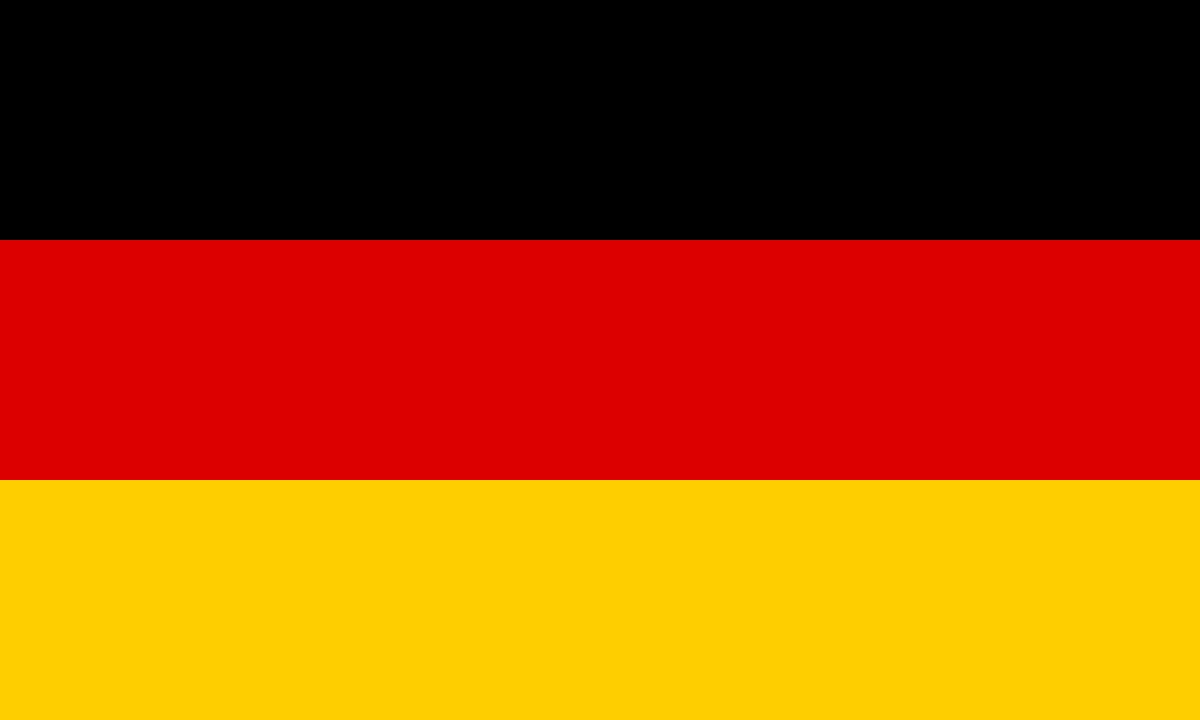
Germany, officially known as the Federal Republic of Germany, is a country located in Central Europe. It is bordered by Denmark to the north, Poland and the Czech Republic to the east, Switzerland and Austria to the south, and France, Luxembourg, Belgium, and the Netherlands to the west. The country covers an area of approximately 357,022 square kilometers, making it the seventh-largest country in Europe. As of 2021, Germany has a population of over 83 million people.
Germany has a rich and complex history. It was originally inhabited by various Germanic tribes before becoming part of the Holy Roman Empire. In the 16th century, the Protestant Reformation began in Germany, leading to significant religious and political changes. The country went through several wars, including the Thirty Years’ War, which resulted in widespread devastation.
In the 19th century, Germany underwent industrialization and played a key role in various scientific and technological advancements. The country was unified in 1871 under the leadership of Otto von Bismarck, establishing the German Empire. However, the empire’s defeat in World War I led to its dissolution and the subsequent establishment of the Weimar Republic.
Geography and Climate

Germany is geographically diverse, with a mix of coastal plains, plateaus, and mountain ranges. The northern regions are characterized by lowlands and marshy terrain, while the central part of the country is dominated by the Central Uplands and the ancient Hercynian Forest. The southern regions are home to the beautiful Alps, which extend into Austria, Switzerland, and Italy.
The climate in Germany is temperate and influenced by the North Atlantic Drift, a warm ocean current. Summers are generally mild to warm, while winters can be cold with periods of snow and freezing temperatures. Rainfall is evenly distributed throughout the year, and the country experiences a moderate amount of sunshine.
Culture and Society
Germany has a vibrant culture that has had a significant impact on the world in various fields such as literature, philosophy, music, art, and science. The country is renowned for its contributions to classical music, with famous composers like Ludwig van Beethoven, Johann Sebastian Bach, and Richard Wagner originating from Germany. The works of German philosophers such as Immanuel Kant, Friedrich Nietzsche, and Karl Marx have also shaped intellectual discourse.
The German language, which is a West Germanic language, is widely spoken in Germany and serves as the official language of the country. German cuisine is diverse, with regional specialties such as bratwurst, sauerkraut, pretzels, and Black Forest cake gaining international recognition.
Germany is known for its efficient public transportation systems, well-maintained infrastructure, and high standards of living. The country has a strong commitment to environmental sustainability and is a global leader in renewable energy production.
Economy
Germany has the largest economy in Europe and the fifth-largest in the world. It is known for its manufacturing prowess, with automotive manufacturing being a significant sector. Renowned German automobile brands like Volkswagen, BMW, and Mercedes-Benz are recognized worldwide. Other important industries include machinery, chemicals, pharmaceuticals, and information technology.
The country has a highly skilled workforce and invests heavily in research and development. It has a robust social market economy, which combines elements of both capitalism and social welfare. The German labor market is characterized by strong workers’ rights and a focus on vocational training.
Tourism
Germany attracts millions of tourists each year with its rich history, cultural heritage, and natural beauty. Visitors can explore iconic landmarks such as the Brandenburg Gate and the Berlin Wall in Berlin, the romantic Neuschwanstein Castle in Bavaria, and the magnificent Cologne Cathedral. The country is renowned for its world-class museums, including the Museum Island in Berlin and the Baden-Baden art museum.
Nature lovers can explore the picturesque landscapes of the Black Forest, take a scenic cruise on the Rhine River, or hike in the Bavarian Alps. Germany also offers a vibrant nightlife, with cities like Berlin and Munich known for their clubs, bars, and cultural events.