hcseob.github.io
Russia
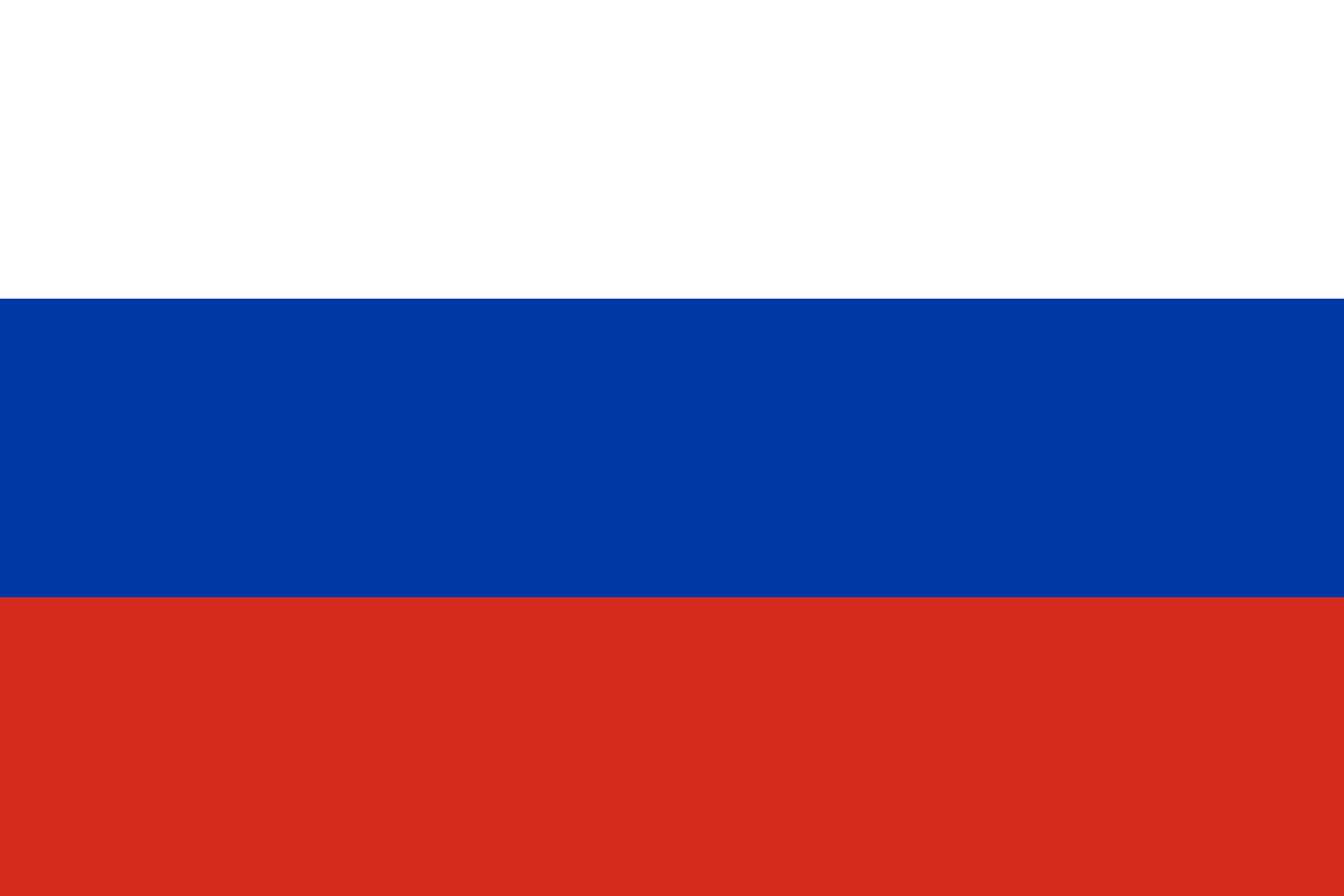
Russia, officially known as the Russian Federation, is the largest country in the world by land area, spanning over Eastern Europe and Northern Asia. It shares borders with a total of 14 countries and has coastlines on the Arctic Ocean, the Pacific Ocean, and the Baltic Sea. Russia is also recognized as the successor state of the Soviet Union and is a federal semi-presidential republic.
History
Russia has a rich and diverse history that spans over a millennium. The origins of the Russian state can be traced back to the medieval state of Kievan Rus in the 9th century. In the 16th century, the Grand Duchy of Moscow emerged as a centralized and powerful entity under the rule of Ivan the Terrible. It later transformed into the Tsardom of Russia, making significant territorial expansions into Siberia and the Caucasus.
The Russian Empire emerged in the 18th century, becoming a major European power and expanding across Northern Asia. However, the empire was eventually overthrown in the Russian Revolution of 1917, leading to the formation of the Soviet Union. The Soviet era witnessed significant changes in political, economic, and social structures, albeit with periods of repression and totalitarianism under Joseph Stalin.
Following the dissolution of the Soviet Union in 1991, Russia emerged as an independent country. The post-Soviet era was marked by political and economic reforms, though it also faced several challenges during this transition period. Russia’s place in international relations and its domestic policies have continued to evolve, shaping its modern history.
Geography and Climate
Russia is the largest country in the world, covering an area of approximately 17.1 million square kilometers. It spans two continents, with the majority of its territory located in Eastern Europe and the northern part of Asia. This vast expanse results in a diverse range of landscapes, from Arctic tundras and forests to temperate grasslands, steppes, and sprawling taigas.
The Russian Federation shares borders with Kazakhstan, Mongolia, China, North Korea, Norway, Finland, Estonia, Latvia, Lithuania, Poland, Belarus, Ukraine, Georgia, and Azerbaijan. It also has access to various bodies of water, including the Arctic Ocean, Baltic Sea, Black Sea, Caspian Sea, and the Pacific Ocean.
Due to its vast size, Russia experiences a wide range of climatic conditions. The northern regions are characterized by an Arctic climate with extremely cold winters and short summers, while southern areas have a mix of temperate and subtropical climates. Central Russia has a continental climate with cold winters and hot summers.
Government and Politics
Russia is a federal semi-presidential republic with a multi-party system. The President serves as the head of state and is elected for a six-year term. The President selects the Prime Minister, who holds executive power along with the cabinet. The legislative branch consists of two chambers - the Federation Council and the State Duma.
The political landscape of Russia has been dominated by the United Russia party, which holds a majority in the State Duma. However, there are several other political parties that operate within the country, including the Communist Party, Liberal Democratic Party, and A Just Russia.
Economy
Russia is classified as a mixed economy with a combination of market and centralized elements. It possesses vast natural resources, including oil, gas, coal, and minerals, which have historically played a crucial role in its economy. Russia is one of the world’s largest energy producers, accounting for a significant portion of global oil and gas exports.
In recent years, the country has also diversified its economy, focusing on sectors such as manufacturing, technology, armaments, aerospace, and agriculture. However, it faces challenges such as corruption, economic sanctions, and dependence on oil prices, which can impact its economic stability.
Culture
Russian culture has a rich history influenced by various factors, including its diverse ethnic groups, historical events, and artistic traditions. The country is renowned for its contributions to literature, ballet, music, visual arts, and cinema. Prominent Russian writers, such as Leo Tolstoy and Fyodor Dostoevsky, have made significant contributions to the world of literature.
Russian classical music composers, such as Pyotr Ilyich Tchaikovsky and Igor Stravinsky, have also left an indelible mark on the global musical landscape. Russian ballet, with famous companies such as the Bolshoi Ballet and the Mariinsky Ballet, is highly regarded worldwide. The Russian cinema industry has produced influential directors, actors, and films, including works by Andrei Tarkovsky and Sergei Eisenstein.
Russian cuisine is diverse and rooted in traditional dishes such as borscht (beet soup), pelmeni (dumplings), and blini (Russian pancakes). The country’s traditional folklore, including tales of Baba Yaga, the Firebird, and the epic poem “The Lay of Igor’s Campaign,” adds to its unique cultural tapestry.
Tourism
Russia offers a vast array of attractions for tourists. The capital city, Moscow, is home to iconic landmarks such as the Red Square, the Kremlin, and St. Basil’s Cathedral. St. Petersburg, known as the cultural capital, boasts architectural landmarks like the Hermitage Museum, Peterhof Palace, and the Peter and Paul Fortress.
The Russian countryside offers beautiful landscapes, including the breathtaking Lake Baikal, the Golden Ring with its ancient cities, and the stunning Kamchatka Peninsula with its volcanoes and hot springs. The Trans-Siberian Railway presents an opportunity to explore the country’s vastness, crossing from Europe to Asia and immersing travelers in its diverse cultures and landscapes.
Conclusion
Russia, with its expansive landmass, rich history, diverse culture, and significant geopolitical influence, holds a prominent place in the world. From its historical contributions to the arts and literature, to its scenic landscapes and architectural marvels, Russia is a country of immense fascination and exploration.